Explore · Stay · Experience · Support Local India's #1 Platform for Himachal Pradesh

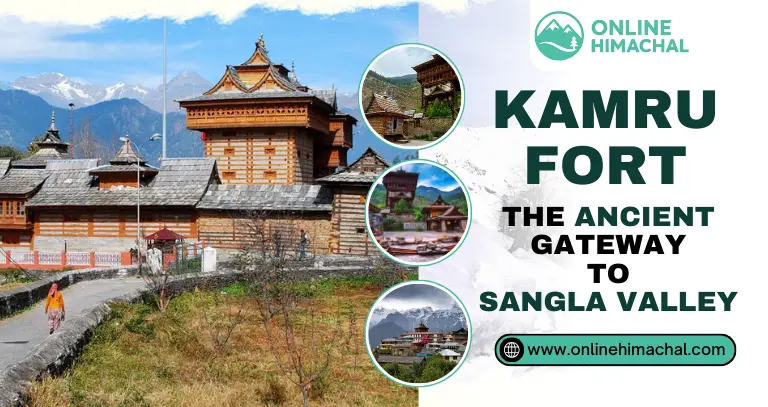
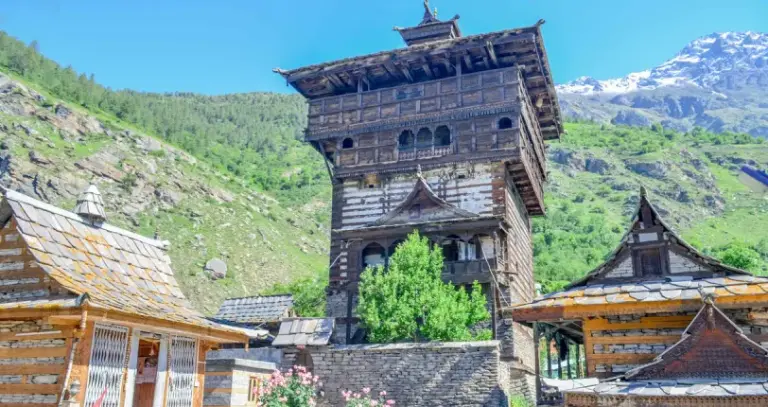
Kamru Fort is one of Himachal Pradesh’s oldest and most picturesque architectural marvels. Surrounded by snow-covered mountains, pine forests, and peaceful village life, this fort stands tall on a hilltop at the entrance of Sangla Valley. It is one of the most suitable getaways for tourists who are looking for both history and scenic beauty because of its wooden architecture, old stories, and serene environment. In addition to providing stunning views of the valley, the fort offers an opportunity to learn about the rich cultural heritage of the area. Therefore, Kamru Fort promises an amazing experience for anyone who enjoys history, the outdoors, or photography. Through this comprehensive blog, let’s explore in detail this prestigious destination, along with the best time to visit, how to get there, and more.
Table of Contents
About Kamru Fort
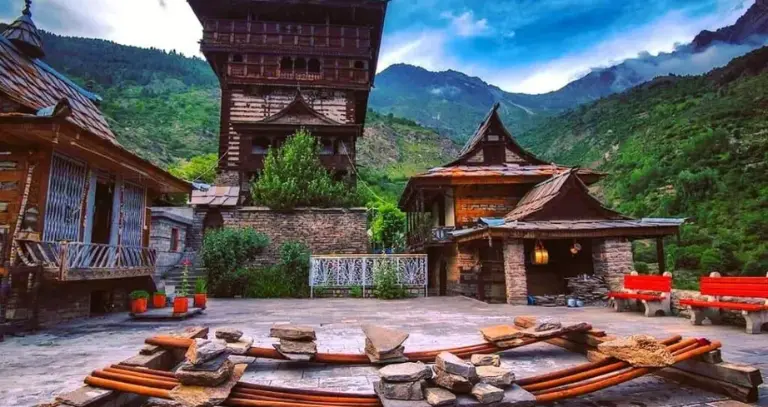
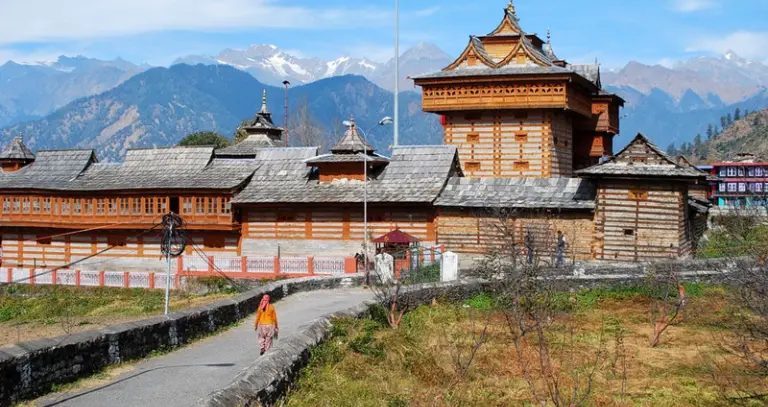
Kamru Fort, Kinnaur, is a centuries-old structure that is famous for its unique wooden architecture and spiritual importance. It accommodates a shrine of Goddess Kamakhya and showcases ancient design styles of the Kinnaur region. This place provides an enchanting experience with its extensive fort’s serene surroundings, traditional carvings, and expansive views of the mountains. Its historic gate, towers, and cultural stories associated with the local royal family are all open for exploration by tourists. Therefore, one must visit this spot at least once in their lifetime for a comprehensive historic experience.
Best Time to Visit Kamru Fort, Kinnaur
The best time to visit Kamru Fort is from April to June and September to November. The paths are open for walking during these months, and the weather is pleasant. While autumn offers crisp air and breathtaking valley views, summers offer a colorful and lively environment. Winter is not the best time of year for casual travelers because it can be difficult and snowy. Thus, it is important to have an idea of the weather beforehand so that you can make the most of your visit.
How to Reach Kamru Fort
The area is well-connected by road, and nearby cities provide convenient transportation options, which make it easy to reach Kamru Fort, Kinnaur. Here is how you can reach Kamru Fort:
1. By Road
From large cities like Shimla and Rampur, you can take a bus or taxi. The trip is picturesque and takes you straight to Sangla from where Kamru is just a short stroll. It passes through mountains, forests, and nearby villages.
2. By Train
Kalka is the closest train station. From there, you can go to Sangla by bus or taxi. After Kalka, there is a long but lovely road trip that allows you to see stunning mountain scenery.
3. By Air
Shimla Airport is the nearest airport. Sangla has easy access to buses and taxis after landing. Winding roads, clean air, and views of the mountains make for a pleasant drive from the airport to Kamru.
Things to Do in Kamru Fort, Kinnaur
There are also several activities in Kamru Fort, Kinnaur, that you can engage in. These comprehensive activities can make your visit even more unforgettable and worthwhile. Here is what you can do:
1. Explore Fort Architecture
Go for a walk around the fort and delight in its ancient side through the wooden design, skillful craftsmanship, and massive stone foundations. It is a glimpse into how secure and artistic buildings were in the past.
2. Photography of the Valley
Kamru Fort presents a superlative picture of the ranges, woodland, and the Sangla Valley. It’s an ideal place for pictures, especially at sunrise or sunset when the sky is bathed in golden and soft lighting.
3. Visit Local Village
Take a leisurely walk around Kamru village, where you can see the primitive-style houses, interact with the warm-hearted locals, and get to know their humble lifestyle. It provides you with a cozy and genuine Himachali encounter.
3. Attend Festivals
If you happen to come during the festival period, you will be entertained by a riot of colors, i.e., cultural events with traditional dances, music, and local rituals. The festivals are full of life and are a good way to grasp the area’s rich heritage.
4. Taste Local Food
Enjoy the appetizing local cuisine such as siddu, rajma, and traditional bread. The food from the locality is fresh, and it gives your travel experience an extra tasty dimension.
Places to Visit Around Kamru Fort
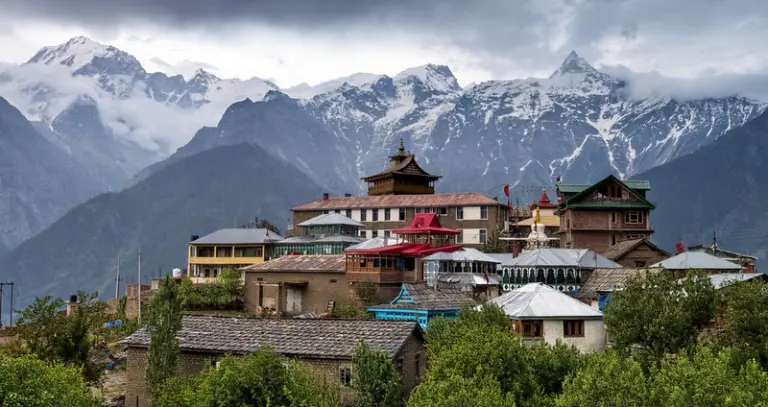
Kamru Fort is surrounded by some of the most stunning destinations. Here are some of the key areas where you can pay a visit for an even more enhanced experience:
1. Chitkul Village
Chitkul is the last village adjoining the Indo-Tibetan border, and it is very beautiful with the added benefit of being very quiet. The snowy peaks, wooden houses, and clear rivers give a romantic view that is tempting for photography and walking. Every traveler is refreshed by the fresh air and the peaceful surroundings.
2. Sangla Buddhist Monastery
The monastery is a beautiful spot where prayer flags, soft cathedrals, and the very atmosphere of the place produce the confidence one needs for meditation. Guests can discover more about Buddhist culture in this region, meditate, and savor the ambiance of quietness. The rich colors and the presence of various statuary do contribute to the splendour of the place.
3. Bering Nag Temple
Dedicated to Lord Jagas, this ancient temple holds great cultural and spiritual importance. Beautiful wooden carvings, the traditional style of buildings, and a serene atmosphere are the features of this temple. It is a photogenic site for people who want to see the area’s customs and take part in the religious ceremonies.
4. Baspa River
The Baspa River runs down the Sangla Valley, and the valley very naturally creates for the river where people can relax and take photos. The river is clear, next to it is are pine forest, and there are mountains around, which creates a very refreshing atmosphere. It is also a wonderful place for short riverside walks.
Tips For Visiting Kamru Fort, Kinnaur
Making your visit to Kamru Fort, Kinnaur, a great experience can be achieved with just a few basic tips. Here is a complete overview:
1. Use Sturdy Footwear
Uphill routes and stone-paved areas are found in the fort vicinity, thus if one wears a good pair of walking shoes, it will be easy to move around and one won’t suffer from sore feet during the trek.
2. Bring Warm Clothes
Mountain climate is very unpredictable, and it changes very fast. The days may be hot, but mornings and evenings can still be quite cold. Thus, warm clothing is required for comfort.
3. Hydrate and Snack
There are not many stores in the vicinity of the fort. So it is a good idea to carry water and some light snacks with you to keep yourself active and fresh while wandering around the place.
4. Go Early in the Morning
The first hours of the day are quiet, and the weather is nice. Starting your day early will let you see the fort free of tourists and will also give you the best view of the valley.
5. Honor the Local Culture
The Kamru Fort is an important religious site. To not offend local beliefs, one has to follow the guidelines, dress properly, and not enter the areas that are off-limits.
6. Verify the Road Status
The weather conditions may cause a mountain road to become impassable. Therefore, checking the weather and road status before heading out is a way to ensure that you have a safe and hassle-free trip.
Conclusion
Kamru Fort, Kinnaur, is a wonderful place for anyone who loves nature, history, and peaceful surroundings. With its old wooden design, calm village atmosphere, and beautiful mountain views, it offers an extraordinary experience that stays in your memory for a long time. The fort, nearby temples, rivers, and small villages all add charm to your trip. By planning your visit at the right time and keeping a few simple tips in mind, you can enjoy a comfortable and enjoyable journey. A trip to Kamru Fort truly feels like stepping into the rich heritage of Himachal Pradesh.
Also Read – Raulane Festival: Traditions, Rituals & Cultural Significance