Explore · Stay · Experience · Support Local India's #1 Platform for Himachal Pradesh

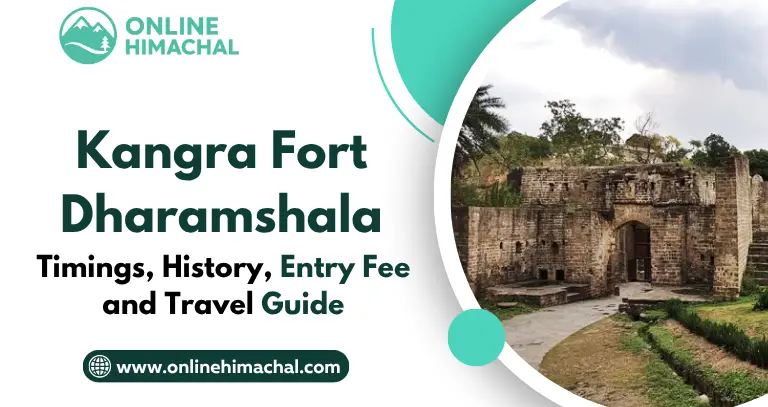
Kangra is a historical town in Himachal Pradesh. It is known for its rich culture, beauty, and ancient temples. It is nestled in the Kangra Valley and surrounded by the beautiful Dhauladhar mountain range. It offers breathtaking landscapes and a peaceful atmosphere, temples and forts, like Brajeshwari Devi Temple and Kangra Fort.
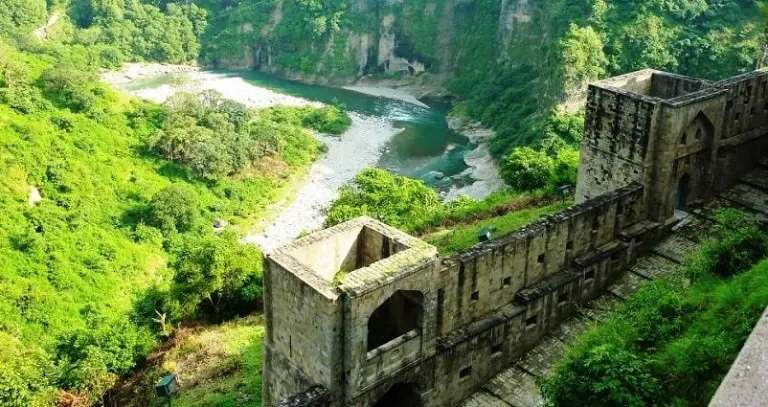
Kangra Fort is situated dramatically above the junction of the Banganga and Mnajhi rivers. It is a magnificent testament to the glorious past of Himachal Pradesh. It was built by the Katoch dynasty. Despite facing all attacks and the devastating 1905 earthquake, the fort still stands strong and draws visitors from across the country. With well-defined visiting timings, affordable entry fees, and easy accessibility, it remains a must-visit destination for anyone exploring Dharamshala and its surroundings.
Table of Contents
History of Kangra Fort
Ancient Origins
1. Construction and Early Rulers
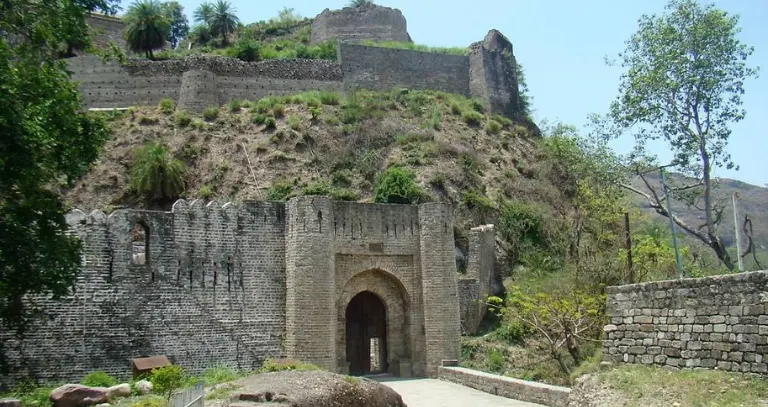
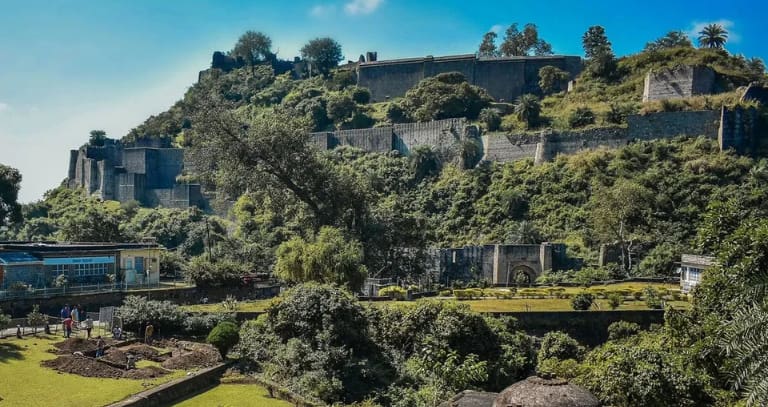
Kangra Fort is believed to have been built by one of the oldest surviving dynasties in the world, the royal Katoch dynasty. It was constructed over the top of hills at the junction of the Banganga and Mnajhi rivers. Its massive stone walls, strong gateways, and elevated position made it a powerful center of administration and defense for centuries.
Medieval Period
2. Mughal Attacks and Different Rulers
During the medieval period, Kangra Fort faced many attacks due to its wealth and location. Mahmud of Ghazni looted it, and Akbar attempted to capture it, but Jahangir succeeded in 1620. Later, the fort changed hands between Katoch rulers, Sikhs, and finally the British, reflecting its enduring strategic importance.
British Era and Earthquake Impact
3. Earthquake Damage and Restoration
The 1905 Kangra earthquake caused massive destruction to Kangra Fort, collapsing walls, temples, and structures, leaving much in ruins. Later, the British and the Archaeological Survey of India preserved it. Today, the fort stands as a protected heritage site showcasing its historic resilience and architectural brilliance.
Kangra Fort Timings
TheKangra Fort is open to visitors daily from 9:00 AM to 5:00 PM. The best time to visit is in the morning for cooler temperatures and clearer views. Seasonal considerations include avoiding the heavy monsoon (July-September) when paths may be slippery, while spring and autumn offer pleasant weather.
Kangra Fort Entry Fee
1. Ticket Prices for Indian and Foreign Tourists
Indian visitors are charged a nominal entry fee, typically around INR 20-INR 30 per person, which makes it very accessible for local and domestic travelers. Foreign nationals are charged a slightly higher fee, usually around INR 200- INR 250 per person.
2. Camera/Video Charges
Photography inside the fort is generally allowed. However, professional cameras or video equipment may require a separate permit or an additional fee of approximately INR 50-INR 100. Mobile photography is usually free.
3. Parking Fees
The fort has basic parking facilities for visitors. Tow-wheeler parking costs around INR 10-INR 20, while car parking is approximately INR 30-INR 50, depending on the season and crowd.
How to Reach Kangra Fort
1. By Air
The nearest airport to Knagra Fort is Gaggal Airport (Kangra Airport). It is located about 15 km from Dharamshala. It is well-connected to major Indian cities like Delhi, Chandigarh, and Mumbai. From the airport, you can hire taxis or take buses to reach the fort.
2. By Train
Kangra Railway Station is the closest railway station. It is approximately 20 km from the fort. However, for better connectivity, Pathankot Railway Station, about 85 km away, is preferred.
3. By Road
Kangra Fort is well-connected by the road network. Regular state buses run from Dharamshala, McLeod Ganj, and nearby towns. Private taxis and cabs are also available, offering flexibility and convenience for travelers.
Best Time to Visit Kangra Fort
Ideal Months
The best time to explore Kangra Fort is during spring (March to May) and autumn (September to November). These months offer pleasant weather and clear skies, making it ideal for photography and sightseeing.
Things to See Inside Kangra Fort
1. Main Gates
Kangra Fort has several impressive gates, including the Ranjit Singh Gate and Ahani Gate. They showcase intricate architecture and serve as reminders of the fort’s strategic importance and historical battles. These massive gateways are perfect spots for photography and appreciating ancient craftsmanship.
2. Temples Inside the Fort
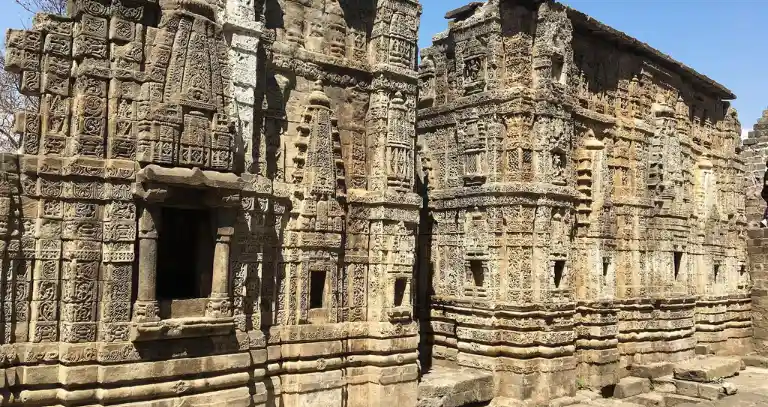
The fort has many historic temples, such as the Mahadev Temple and Narsingh Temple. These temples feature beautiful stone carvings and offer visitors insight into the spiritual heritage of the region.
3. Viewpoints and Scenic Sports
The fort’s high position offers breathtaking views of the Kangra Valley, surrounding hills, and rivers. Many viewpoints inside the fort allow visitors to enjoy the beautiful landscape, perfect for photography, sightseeing, and peaceful reflection.
Nearby Attractions
1. Masroor Rock Cut Temple
These are a remarkable set of rock-cut Hindu temples, dating back to the 8th century. They are located 40 km from Kangra Fort. They are known for intricate carvings and monolithic architecture.
2. Kareri Lake
It is a beautiful high-altitude freshwater lake surrounded by the Dhauladhar ranges. It is about 35 km from the fort, and it is popular for trekking, camping, and nature photography.
3. McLeod Ganj
It is a vibrant hill station just 20 km away from the Kangra Fort. It is very famous for Tibetan culture, monasteries, and the residence of the Dalai Lama. It’s perfect for spiritual experiences, local cuisine, and beautiful mountain views.
4. Dharamshala Cricket Stadium
It is approximately 25 km from Kangra Fort and is internationally recognized for its picturesque setting against snow-capped mountains. A must-visit for sports enthusiasts and travelers seeking panoramic views with outdoor activity.
Travel Tips for Visitors
1. What to Carry
Visitors should carry comfortable walking shoes, water bottles, sunscreen, hats or caps, and a camera for photography. Light snacks and a small backpack are also recommended.
2. Approximate Time Required for Exploration
To fully explore Kangra Fort, it will take around 2-3 hours. Those interested in photography or sightseeing may need 3-4 hours to cover everything at a relaxed pace.
3. Safety Tips
The fort’s paths are not so flat or smooth, which can make walking tricky. Visitors should wear comfortable shoes and avoid slippery areas, especially during the monsoon.
Conclusion
Kangra Fort is a remarkable blend of history, architecture, and natural beauty. From its ancient Katoch dynasty origins to Mughal and British-era events, the fort stands still. With stunning gates, historic temples, beautiful viewpoints, and nearby attractions, it offers a complete experience for history lovers, photographers, and travelers. Well-planned visits with the right timing, preparation, and safety considerations make exploring the fort enjoyable and memorable. A trip to Kangra Fort is truly a journey through Himachal Pradesh’s rich past and breathtaking landscapes.
Also Read – Top 10 Coaching Centre in Himachal Pradesh (NEET, JEE, UPSC & SSC)