Explore · Stay · Experience · Support Local India's #1 Platform for Himachal Pradesh

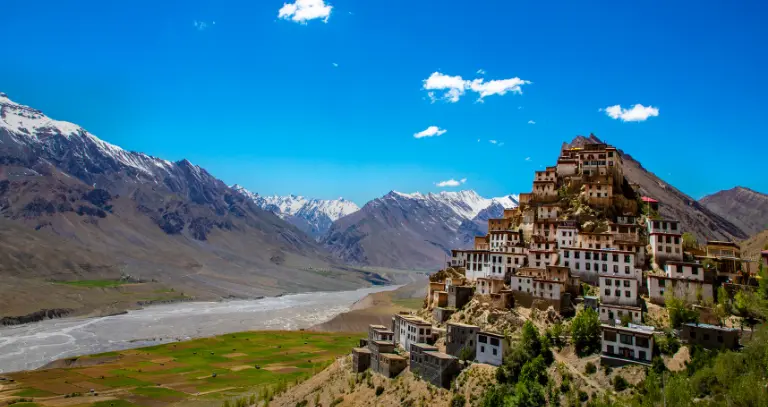
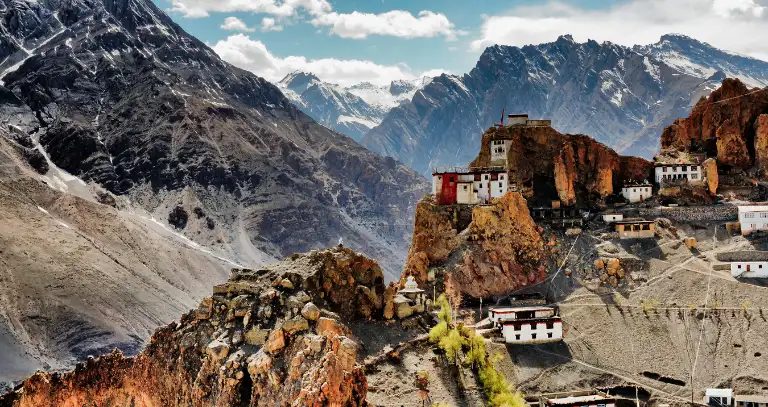
Key Monastery (Kee Gompa) is a Tibetan Buddhist monastery that is 1,000 years old and is situated at 4,166 meters in Spiti Valley, Himachal Pradesh. It is famous as the largest monastery in the area and a “fortress-like” spiritual center. It is best to visit between May and October, when the whitewashed, maze-like buildings are at their peak beauty, the valley views are stunning, and the annual Cham Festival in June and July is at its most colorful.
Going to Key Monastery is not just about witnessing the natural beauty; it’s also a deeply spiritual and cultural journey in the Himalayas. The monastery is a peaceful place where visitors take in fresh air away from the crowded cities. Thus, the surrounding stunning views of the Spiti River and the rugged mountains make the place even more beautiful. If you are traveling to Key Monastery in Spiti, be ready to see ancient murals, talk to monks, and watch daily rituals. Such factors make it a must-visit destination.
Table of Contents
Key Monastery: History Overview
The famous Buddhist teacher Dromtön, a disciple of Atisha, founded Key Monastery in the 11th century. It was devastated many times over the centuries, most notably by the Mongols in the 17th century, fires, earthquakes, and was reconstructed many times. Its shape, like that of a fortress, grew as a kind of defense. Today, it is a major training centre for monks and is part of the Gelugpa (Yellow Hat) sect. Therefore, its raw natural beauty needs to be discovered.
How to Reach Key Monastery
Key Monastery is located in a remote part of the Himalayas, so you need to make a proper plan to get there. There are several means of transportation available, which make the journey very scenic and worth it. Here is a complete overview:
1. By Air
The nearest airport to Key Monastery is Bhuntar Airport, which is about 245 km away. From there, travelers have to hire taxis or take buses via Manali and Kaza, which usually takes 10-12 hours depending on road and weather conditions.
2. By Road
If you are opting for a road trip, the most popular route is via Manali, which crosses Rohtang Pass and Kunzum Pass. This route is open from May to October. Or, the Shimla-Kinnaur route is longer, but available for most of the year, with beautiful views.
3. By Bus
Regular Himachal Road Transport buses run from Shimla and Manali to Kaza. From Kaza, you can hire a taxi or bike for the 14 km uphill drive to the monastery. It also provides extremely scenic views throughout the journey.
Best Time to Visit Key Monastery
It is important to choose the right season to visit Key Monastery for a safe and enjoyable time. Here is a complete breakdown of the weather around Key Monastery during different seasons:
- Summer (May to June): Summer is the best time to visit Key Monastery because of clear skies, open roads via Manali, and comfortable weather. The weather in this season is pleasant for sightseeing, photography, and watching the famous Cham festival in June or July.
- Monsoon (July to September): Spiti receives very little rainfall due to its cold desert climate, so it is relatively safe to plan a visit during the monsoon. Roads through Shimla are still open, and the landscapes seem greener. Thus, it offers a different visual experience.
- Winter (October to April): Winters experience very cold temperatures, well below -20°C, and heavy snow blocks the road. But it does provide a rare chance to get a taste of monastic life in isolation, with fewer tourists and snow-covered scenery.
What to See in Key Monastery
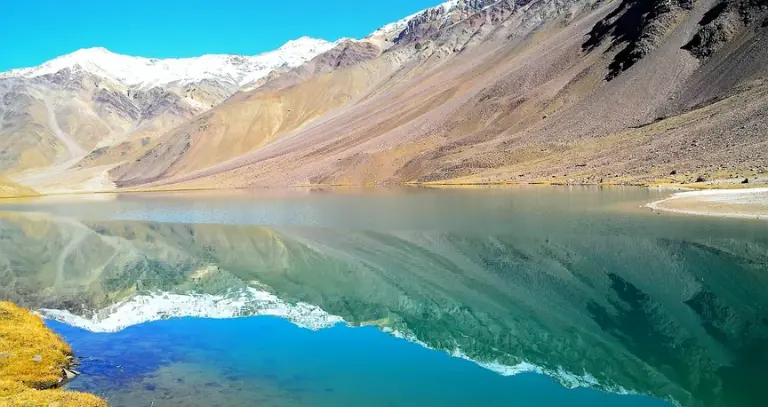
Exploring Key Monastery means going deep into its spiritual, architectural, and cultural characteristics. Here are some of the key things to see in Key Monastery that you should definitely not miss:
1. Main Prayer Hall
The main prayer hall has huge statues of Buddha, intricate thangka paintings, and butter lamps. During the day, usually between 6 AM and 6 PM, people can go inside and witness monks do rituals in a peaceful and holy place.
2. Assembly Hall (Dukhang)
The Assembly Hall is the place where monks get together to chant scriptures and learn from each other. Travelers can see live chanting sessions and take part in Buddhist rituals by visiting early in the morning, between 7 and 9 AM.
3. Library and Museum
The monastery has rare old manuscripts, like the Kangyur texts, as well as historical items like old weapons and murals. Visitors can usually go into these areas during the day with permission and learn about Tibetan Buddhist traditions that have been around for hundreds of years.
4. Rooftop Views
You can see the whole Spiti Valley from the top of the Key monastery, especially at sunrise or sunset. Seeing the Spiti River below and the mountains stacked on top of each other is an unforgettable sight.
5. Daily Prayers or Rituals
Visitors can go to daily prayer sessions where monks chant and play traditional instruments. These usually happen in the morning and evening, which gives travelers a peaceful and deep spiritual experience.
Nearby Attractions near Key Monastery
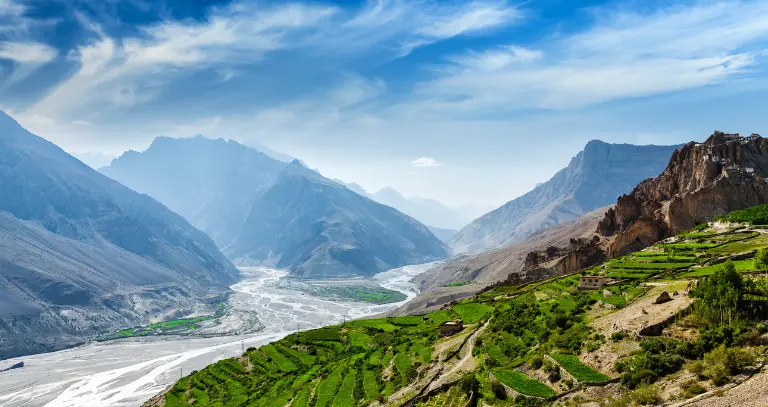
Key Monastery is surrounded by a range of attractions. Here is a complete overview of some of the best spots you must visit:
1. Kibber Village
Kibber Village is one of the highest motorable villages in the world at around 4,270 meters. Visitors who want to see snow leopards during winter can visit this nearby
. Thus, this village shows its traditional Spitian way of life.
2. Chicham Bridge
Chicham Bridge is Asia’s highest suspension bridge, which connects Kibber with Chicham village. The location provides visitors a chance to see deep gorges along with majestic landscapes, which serve as a suitable location for taking photographs.
3. Tashigang
Tashigang is one of the highest villages that people can reach by road. Visitors can see barren mountains from this location, which offers a peaceful atmosphere and help visitors experience traditional high-altitude ways of living.
Travel Tips For Visiting Key Monastery
Visitors to Key Monastery need to prepare for their journey well as it is situated at an extremely high altitude. Here are some essential tips to consider:
- Acclimatize Properly: Spend at least one day in Kaza to adjust to the high altitude before visiting the Key Monastery.
- Carry Warm Clothes: The temperature can drop suddenly during summer. So, make sure to carry warm clothes with you.
- Respect Local Culture: Silent behavior should be maintained inside prayer halls and people should follow monastery rules during conversations with monks.
- Start Early: Start your trip before daylight ends because this helps you travel through difficult areas while using all available daytime hours.
- Stay Hydrated: Drinking sufficient water helps travelers avoid altitude sickness and also helps them sustain energy throughout their journey. So, make sure to drink sufficient water.
Conclusion
The Key Monastery serves as both a tourist destination and a holy site, which demonstrates Buddhist traditions and depicts the natural beauty of the Himalayas. This location provides visitors with a complete travel experience through its historical background, peaceful ceremonies, and stunning landscapes. Therefore, Key Monastery presents visitors with a memorable experience that combines adventure, spiritual discovery, and cultural learning about the Spiti Valley.
Also Read – Kinner Kailash Travel Guide: Trek & History