Explore · Stay · Experience · Support Local India's #1 Platform for Himachal Pradesh


Guest comfort, interior aesthetics, and functional design all contribute to the overall appeal of hill resorts. In destinations such as Shimla, Manali, and Dharamshala, selecting suitable Hotel furniture requires careful consideration of fluctuating temperatures, seasonal humidity, and available space. Well-planned furniture solutions help hotel owners create inviting guest environments while ensuring durability, practicality, and long-term performance.
Table of Contents
First Impressions Begin with the Guestroom Environment
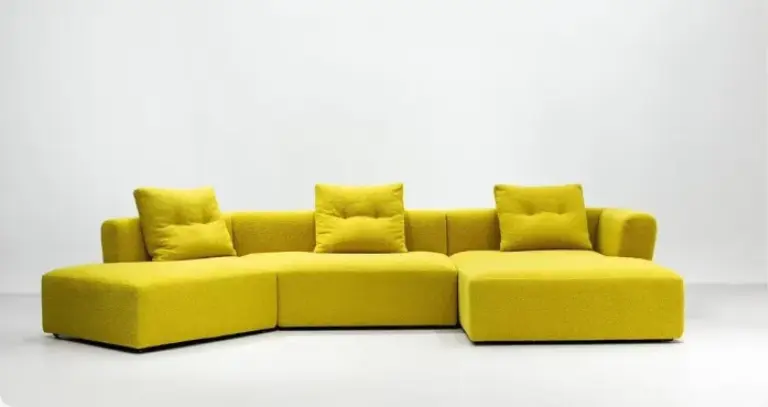
When travelers enter a hotel room, their attention often moves naturally between the bed, seating area, storage, lighting, and overall arrangement. These elements collectively determine whether the space feels comfortable, organized, and suitable for relaxation.
In hill resorts, where many visitors travel to escape crowded urban environments, interior design carries particular importance. Guests often expect a quieter atmosphere, natural materials, and furniture that complements the surrounding landscape.
Rather than relying entirely on decorative elements, hotel operators should consider how furniture contributes to the room’s overall character.
Several details influence first impressions:
- Bed frames and headboards: Their proportions, upholstery, and finish establish the visual foundation of the bedroom.
- Bedside tables: Convenient surfaces and accessible storage improve everyday functionality.
- Lounge seating: Comfortable chairs or sofas provide space for reading, enjoying refreshments, or appreciating mountain views.
- Wardrobes and luggage benches: Practical storage helps maintain an uncluttered environment.
A cohesive furniture arrangement can make even a relatively compact guestroom feel more spacious and inviting.
Climate-Appropriate Materials Matter in Mountain Destinations
Unlike hotels in many lowland cities, hill resorts operate under changing environmental conditions. Temperature fluctuations, rainfall, snowfall, and seasonal humidity can influence furniture performance.
According to the Himachal Pradesh Tourism Department’s official travel guidance, climatic conditions vary considerably across the state. Areas such as Shimla, Kullu, Chamba, and Kinnaur experience colder winters, while other districts have comparatively milder conditions.
This variation makes material selection an important part of hospitality planning.
Choosing Materials for Different Conditions
Hotel owners should evaluate furniture materials according to their intended location and maintenance requirements.
Solid wood and engineered wood: Both can be suitable for hotel interiors when their construction, moisture resistance, and finishing systems are appropriate for the environment.
Metal components: Properly treated metal frames and hardware can provide structural support, although corrosion protection deserves attention in moisture-prone areas.
Upholstery fabrics: Performance fabrics with suitable abrasion resistance and practical cleaning requirements are useful for frequently occupied guestrooms and lounges.
Surface finishes: Durable coatings help protect furniture against everyday wear, cleaning products, and environmental exposure.
The Himachal Pradesh Tourism Department’s information on regional climate and travel conditions provides useful background when planning hospitality interiors for different destinations.
Comfort Is More Important Than Decorative Complexity
Travelers visiting hill stations frequently spend considerable time inside their accommodation, particularly during colder evenings or periods of heavy rainfall. Consequently, furniture comfort becomes an important part of the hospitality experience.
A visually attractive chair may still disappoint if its seat depth, back support, or cushioning is unsuitable for extended use.
Hotel operators should evaluate furniture through practical criteria:
- Ergonomics: Chairs should provide appropriate back support and comfortable seating proportions.
- Mattress and bed compatibility: Bed frames should offer stable support and suit the selected mattress dimensions.
- Accessibility: Frequently used furniture should be positioned conveniently without obstructing movement.
- Thermal comfort: Upholstery and surface materials should feel appropriate for the local climate.
- Maintenance: Furniture should remain presentable under regular housekeeping routines.
These considerations are especially relevant to boutique hotels and premium mountain resorts, where guests may expect their rooms to function as places for both sleeping and relaxation.
Durability and Quality Control Influence Long-Term Value
Furniture in commercial hospitality environments experiences considerably more frequent use than most residential furniture. Beds, wardrobes, tables, sofas, and restaurant seating must withstand repeated use while maintaining their appearance.
For this reason, procurement decisions should consider more than the initial purchase price.
Hotel developers can assess potential suppliers through several checkpoints:
- Review material specifications and construction drawings.
- Request physical samples before approving finishes.
- Check joint strength, hardware quality, and structural stability.
- Evaluate upholstery durability and cleaning requirements.
- Establish inspection procedures before shipment.
- Confirm protective packaging and transportation arrangements.
The BIFMA standards and testing resources offer useful references for understanding furniture safety, durability, and performance assessment. Although specific standards depend on the furniture category and application, independent testing can provide additional confidence in product specifications.
Indoor material selection also deserves attention. The US Environmental Protection Agency identifies furnishings and building materials as potential sources of volatile organic compounds (VOCs). Its indoor air quality guidance provides further information about material-related indoor air considerations.
Why the Right Manufacturing Partner Makes a Difference
Selecting a suitable furniture supplier involves evaluating manufacturing capabilities, customization options, quality procedures, and export coordination.
For hotel projects requiring coordinated guestroom and public-area packages, a project-oriented hotel furniture manufacturer can help translate interior design requirements into production specifications.
For example, Craftora, a furniture brand based in Foshan, China, supports hospitality projects involving guestroom furniture, lobby furnishings, restaurant interiors, and customized furniture packages.
Its manufacturing approach covers material coordination, drawing review, sample approval, production, quality inspection, and export preparation.
For international hotel buyers comparing a furniture manufacturer China option, the evaluation should extend beyond product photographs. Manufacturing consistency, communication, packaging standards, and the ability to coordinate different furniture categories are equally relevant.
Working with a supplier experienced in hotel furniture projects can also simplify the process of matching finishes, dimensions, and specifications across multiple rooms.
Ultimately, a capable hotel furniture manufacturer should demonstrate how approved designs are translated into repeatable production standards rather than relying solely on visual presentations.
What Should Hotel Owners Prioritize When Choosing Furniture?
The most effective procurement strategy balances appearance, comfort, durability, and long-term operating requirements.
Before finalizing a furniture package, hotel owners and designers should prioritize:
| Evaluation Factor | What to Consider |
| Design | Compatibility with local architecture and interior themes |
| Comfort | Ergonomics, upholstery, and seating proportions |
| Materials | Suitability for seasonal temperature and humidity changes |
| Durability | Structural stability and surface resistance |
| Customization | Dimensions, finishes, and room-specific requirements |
| Quality Control | Sampling, inspection, and production consistency |
| Logistics | Protective packaging and delivery coordination |
These criteria help prevent purchasing decisions based solely on appearance or short-term cost.
Conclusion:
For hill resorts, the best choice is furniture that responds to local climatic conditions, complements the surrounding landscape, and withstands repeated commercial use.
Hotel owners who prioritize thoughtful space planning, appropriate materials, reliable construction, and qualified manufacturing partners are better positioned to create interiors that satisfy guests while supporting long-term operational value.
Also Read : Black Turmeric (Kali Haldi): Benefits, Uses & How to Consume