Explore · Stay · Experience · Support Local India's #1 Platform for Himachal Pradesh

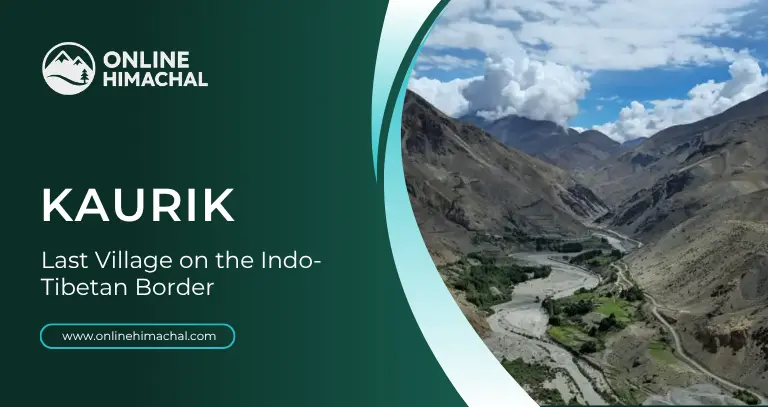
Kaurik is a small place in the Lahaul-Spiti area of Himachal Pradesh, near the India-Tibet border. Long ago, people lived there, but a very strong earthquake in 1975 destroyed the village. Today, no one lives there permanently. The area is mostly empty and quiet, and the Indo-Tibetan Border Police (ITBP) looks after it because it is close to the border.
Kaurik is a remote place in Himachal Pradesh near the Indo-Tibetan border. It is surrounded by tall mountains and beautiful natural views. Long ago, people lived here, but today the area is empty. Even though no one lives there now, it is still a special place for tourism. Many travelers visit to learn about its past, see its unique location, and enjoy the peaceful beauty of the Spiti region.
Where is Kaurik Located?
Kaurik is located in the Spiti region of Himachal Pradesh. It is close to the Indo-Tibetan border. It lies near the banks of the Pare Chu River and is surrounded by high mountains and rocky landscapes. The village is situated near Sumdo, which is one of the main entry points to the Spiti Valley. Therefore, because of its remote border location, it is considered one of the most isolated places in the region.
Why is Kaurik Known as the Last Village on the Indo-Tibetan Border?
Kaurik is known as the last village on the Indo-Tibetan border because it is one of the final places on the Indian side before the border with Tibet. It is located in a remote part of the Spiti region, and it stands close to the Line of Actual Control (LAC). Beyond Kaurik, there are no major Indian villages in the area. Its unique border location and strategic importance have made it famous as one of India’s last frontier villages.
History and Geography of Kaurik Village
Kaurik is a small mountain village with an amazing history and beautiful surroundings.
1. The History of Kaurik Village
Kaurik was once a small and lively village in the Spiti region of Himachal Pradesh. Long ago, around 33 families lived here and depended on farming and animals for their daily life. Because the village was very close to the Indo-Tibetan border, it was an important place in the region. Today, its abandoned, but it remains an important part of the area’s history.
2. The 1975 Earthquake and the Destruction of Kaurik
In January 1975, a very strong earthquake hit the Kaurik area. The shaking was so powerful that huge amounts of rocks and soil fell from the mountains. The landslides buried most of the village and destroyed homes and farmland. After the disaster, the people who survived moved to nearby villages, and it was left empty.
3. Geography and Landscape of Kaurik
It is surrounded by tall mountains, rocky hills, and wide open valleys. It is located at a very high altitude, where the weather is cold and dry for most of the year. The area receives very little rainfall and often experiences strong winds. However, the roads leading to Kaurik are rough and difficult, but the beautiful mountain views make this remote place special and memorable.
Life in Kaurik Before Abandonment
Kaurik was a small village where people lived a very simple life. Families raised animals, worked on small farms, and helped each other in daily chores. Before it was left empty, life was peaceful and close to nature. People knew one another well and depended on the land for food and survival. Even though it was a hard place to live, the village had a warm and close community.
Strategic Importance of Kaurik
Kaurik is an important place because it is located very close to the Indo-Tibetan border. Its location makes it valuable for border security and monitoring activities in the region. Even though the village is no longer inhabited, it remains important because it lies in a sensitive border area. Today, security forces keep a close watch on the region due to its strategic position.
Kaurik’s Role Near the India-Tibet Border
Kaurik is one of the last villages on the Indian side before the border with Tibet. Because of its location, it is an important point in the border region. The area helps authorities monitor movement near the frontier and maintain security. Therefore, it is an important landmark in the history and geography of the Spiti region.
How to Reach Kaurik
Kaurik is a remote border village in the Spiti region of Himachal Pradesh. Therefore, reaching the village requires a long road journey through the mountains, but the route offers beautiful views of the valleys, rivers, and high-altitude landscapes.
Best Route to Kaurik
| Starting Point | Route |
| Shimla | Shimla-Narkanda-Rechong Peo-Nako-Sumdo-Kaurik |
| Manali | Manali-Kunzum Pass-Kaza-Sumdo-Kuarik |
| Kaza | Kaza-Tabo-Sumdo-Kaurik |
Travel Permits and Restrictions
| Information | Details |
| Border Area | Kaurik is located near the Indo-Tibetan border and is an important border area. |
| Permit Requirements | Visitors should check the latest permit requirements before planning their trip. |
| Identification | Carry a valid government-issued ID at all times. |
| Road Conditions | Roads can be rough and may be affected by weather conditions. |
Best Time to Visit Kaurik
Kaurik is a high-altitude border region, so the weather plays a big role in planning a trip here.
| Season | Months | What to Expect |
| Summer | May to June | Pleasant weather, clear skies, and good road conditions for travel. |
| Monsoon | July to August | Light rain in nearby areas and possible road disruptions. |
| Autumn | September to October | Clear mountain views, cool weather, and fewer tourists. |
| Winter | November to April | Very cold temperatures, snowfall, and difficult road access. |
Things to See Around Kaurik
Kaurik is surrounded by many beautiful and amazing places that show the natural beauty of the Spiti region. Every place has its own charm and peaceful views.
- Spiti Valley: This valley is a cold desert with high mountains, blue skies, and wide open landscapes. It is known for its peaceful environment, small villages, rivers, and beautiful natural scenery.
- Sumdo Village: It is a small village near Kaurik and an important travel point in the region. It shows simple mountain life and is often used as a stop for people going towards the border areas.
- Border Region Views: This area offers amazing views of tall mountains and the Indo-Tibetan border. The peaceful surroundings and big landscapes make it a peaceful place to enjoy nature.
- Tabo Monastery: Tabo Monastory is one of the oldest monasteries in Spiti. It is famous for its ancient paintings, calm atmosphere, and spiritual importance, which attracts visitors from all over.
- Nako Village and Lake: It is a beautiful village with a small lake surrounded by mountains. It is a peaceful place where travelers can enjoy nature and traditional Himalayan culture.
- Chango Village: It is a peaceful village known for its apricot orchards and simple lifestyle. Here, visitors can see how people live in the cold desert region.
- Pare Chu River Valley: This river valley near it is surrounded by rocky mountains and deep gorges. It adds to the natural beauty and raw landscape of the region.
Travel Tips for Visitors
Visiting Kaurik needs good planning because it is a remote mountain area with tough conditions and limited facilities.
- Always carry warm clothes because the weather is very cold most of the year.
- Keep enough food, water, and basic medicines with you.
- Roads are rough, so travel only in a strong vehicle and with an experienced driver.
- Mobile network may not work in many areas.
- Carry valid ID proof and check if any permits are needed before traveling.
- Avoid traveling during heavy snow or bad weather.
- Start your journey early in the day to avoid night travel in the mountains.
Conclusion
Kaurik is a peaceful and remote place that tells an amazing story of nature, history, and survival. Even though no one lives here today, it still holds importance because of its location near the Indo-Tibetan border and its past. Moreover, it is surrounded by tall mountains and peaceful landscapes, and it gives a glimpse of life in one of the most isolated regions of Himachal Pradesh. Therefore, it is truly a special place for those who love history, nature, and offbeat travel.
Also Read : Why Indian Travellers in Dubai Are Choosing Compact SUVs for City and Weekend Mobility