Explore · Stay · Experience · Support Local India's #1 Platform for Himachal Pradesh

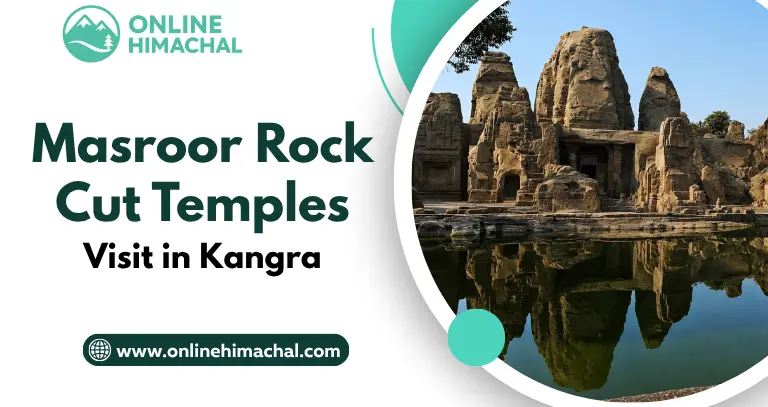
The Masroor Rock Cut Temples are a stunning 8th-century monolithic complex in the Kangra Valley of Himachal Pradesh. These are old Hindu temples that are carved from a single huge rock and are often called the “Himalayan Pyramids” or the “Ellora of Himachal.” They have beautiful Nagara architecture and views of the Dhauladhar ranges.
The Masroor Rock Cut Temples are a one-of-a-kind place to visit. Here, one can experience everything, including history, spirituality, and natural beauty. This specific hidden gem is surrounded by peaceful landscapes and beautiful hills. Travelers can see ancient craftsmanship while taking in stunning views of the mountains. Therefore, this place in the heart of Himachal Pradesh promises a memorable and enriching journey. Let’s take a closer look at how to get there, some essential travel tips, and key highlights to explore.
Table of Contents
Historical Significance of Masroor Rock Cut Temples
The Masroor Rock Cut Temples were built in the 8th century, during the early medieval period, with the help of local rulers who were inspired by North Indian Nagara architecture. The complex was originally built as a shrine to Lord Shiva, but later Vaishnavite influences brought in statues of Rama, Lakshmana, and Sita. The 1905 Kangra earthquake partially destroyed the temples, but their intricate carvings and layout still show how well they were built in ancient times. Such factors make it one of the must-visit spots in India.
Masroor Temple Location and Accessibility
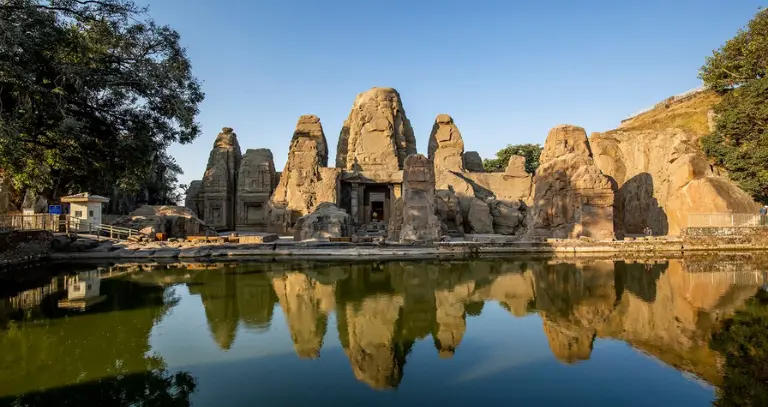
The Masroor Rock Cut Temples are located in the beautiful Kangra Valley and offer a well-connected and accessible destination for travelers. It is near the popular towns of Dharamshala, Kangra, Palampur, and McLeodganj, and can be easily added to your travel plan.
The location of these temples is mainly accessed by road, and the journey involves scenic routes. For those who prefer rail travel, the nearest railway station is Pathankot Railway Station, and the nearest airport is Kangra Airport. These transport facilities ensure a comfortable and hassle-free journey for all types of travelers.
How to Reach Masroor Rock Cut Temples
Reaching the Masroor Rock Cut Temples is convenient through multiple modes of transportation. This location is well-connected to nearby cities and tourist hubs, which makes it accessible for travelers from different parts of India. Here is how to get there:
1. By Air
The closest airport to these temples is Kangra Airport, which is about 40 km away. You can hire a taxi or take a cab from the airport to the temples. The ride will be comfortable, and you’ll get to see the beautiful hills around you.
2. By Railways
The nearest train station is Pathankot Railway Station, which is about 90 kilometers from the temples. You can take a taxi or use public transportation from there to get to Kangra and then continue on to the temple complex.
3. By Road
Masroor is easy to get to by car from key cities like Dharamshala and Kangra. You can drive, hire a taxi, or take a bus. It’s a beautiful road trip through valleys and countryside.
When is the Best Time to Go to the Masroor Rock Cut Temples?
The best time to see the Masroor Rock Cut Temples is between October and March, when the weather is pleasant and good for sightseeing. The skies during this season are clear, which makes for significant views of the Dhauladhar ranges. April to June, which is summer, is also comfortable, but a little warmer. During the monsoon season (July to September), the weather is rainy, which can make travel difficult. This makes it less appealing to tourists.
Key Highlights to Explore When Visiting Masroor Rock Cut Temples
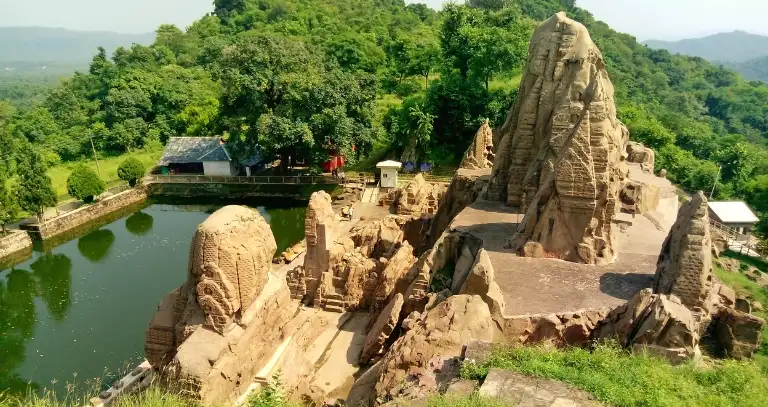
When visiting Masroor Rock Cut Temples in Kangra, here are some of the key attractions you can explore:
1. The Main Shrine (Thakurdwara)
The central shrine, known as Thakurdwara, is the most well-preserved part of the complex. This specific site provides visitors with a view of some detailed carved stone idols of Lord Rama, Lakshmana, and Sita, along with a Shiva Linga at the center. Such detailed craftsmanship inside reflects the artistic excellence of ancient temple architecture.
2. The Rock-Cut Temple Complex
The entire complex consists of 15 interconnected temples carved out of a single rock formation. These temples showcase Nagara-style architecture with pyramid-like structures. However, these temples are partially damaged, but their layout still reflects the grand vision of ancient builders and offers insight into early Indian rock-cut architecture. It is one of the must-see attractions at the temple.
3. Masroor Lake Reflection View
Located right in front of the temple complex, Masroor Lake enhances the beauty of the site by reflecting the temples in its calm waters. Therefore, a visual effect is created, especially during sunrise and sunset, which makes it one of the best spots for photography and peaceful relaxation.
4. The 1905 Earthquake Ruins
The temples suffered significant damage during the 1905 Kangra earthquake, which destroyed several parts of the structure. However, the remaining ruins still stand strong and give visitors a glimpse of their original grandeur while highlighting the resilience of ancient rock-cut architecture.
5. Panoramic Views of Dhauladhar Range
The temple complex offers breathtaking panoramic views of the Dhauladhar mountain range. Surrounded by lush greenery and open landscapes, this location provides a peaceful environment for visitors away from the crowded cities. Thus, such a scenic backdrop enhances the spiritual atmosphere and makes it one of the best places for meditation, exploration, and photography.
Tips for Visitors to Masroor Rock Cut Temples Guide
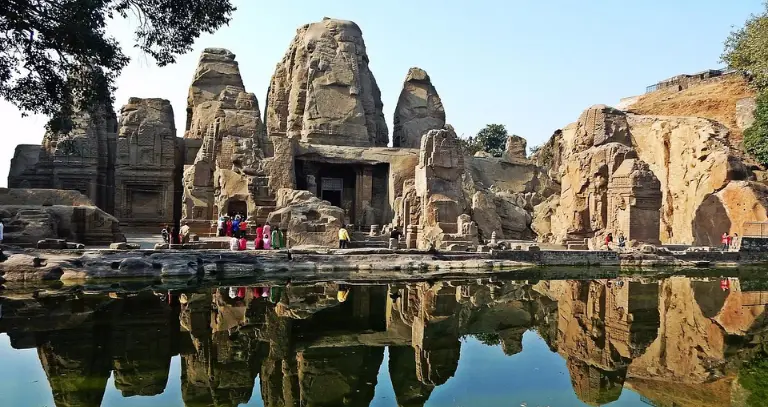
With proper planning of your visit, you can make the most of your trip and ensure a comfortable and respectful experience at the temple site. Here are some essential tips you must follow:
1. Limited Amenities Nearby
There are a few restaurants or shops near the site. So, make sure to bring water and light snacks. Inside the temple premises, eating and drinking are prohibited.
2. Give Yourself Time
Allow at least 2 to 3 hours for your visit. This lets you explore the carvings, walk around the complex, and enjoy the scenic mountain views.
3. Group Nearby Attractions
Make your day more interesting and historical by planning your trip to nearby attractions as well. It will give a complete, enchanting experience.
4. Wear Comfortable Shoes
You have to walk on uneven stone surfaces in the temple area, so comfortable shoes will allow you to explore safely and not be uncomfortable during your visit. So, make sure to carry comfortable shoes.
5. Go Early in the Day
Try to get there early in the morning or later in the afternoon to avoid the crowds and harsh sunlight and get better light for your photos.
6. Respect the World Heritage Site
Maintain distance from the delicate carvings. Make sure not to touch them. Also, adhere to local rules and regulations to help preserve this ancient monument for future generations.
Conclusion
The Masroor Rock Cut Temples in Kangra Valley offer a beautiful balance of history, nature, and spirituality. People who are looking to dodge bustling cities and wish to take a break from their routine lives, this place provides enchanting experiences. It provides access to peaceful surroundings, ancient carvings, and stunning mountain views, which makes it a suitable place for travelers who love heritage and photography. Thus, a visit here gives a calm and memorable experience.
Also Read – Jatoli Shiv Temple: Spiritual Journey to Himachal