
Sainj Valley trek is one of the undisturbed and non-crowded treks in Himachal Pradesh. It is located in the Kullu district, Himachal Pradesh, and is known for its serene beauty among travellers. This trek supports eco-tourism and borders the Great Himalayan National Park, a UNESCO World Heritage Site, which is preserved and protected for its natural beauty and varied flora and fauna.
In this guide, you can explore the hidden beauty of the Sainj Valley trek, the destinations it covers, major highlights such as meadows, lakes, villages, and temples, and how you can reach there to carry out a successful adventurous trek.
Table of Contents
A Complete Breakdown of the Sainj Valley Trek

The Sainj Valley trek is an ideal retreat for any kind of trekker, beginner to advanced. Due to its elevation level, it can reach 1,500 to 4,500 meters above sea level. Therefore, this trek is perfect for every level trekker and can be completed within 2 to 4 days, depending on your pace and the places you want to visit and stay.
1. Reach to Aut
The travellers who are coming from Delhi must reach Aut, which is located on the Delhi-Manali Highway. From there, you need to take another 30 to 33 km drive from Aut to Shangarh. During the ride, enjoy the serene landscapes of the surroundings.
- Average Altitude: 1,785 meters
- Mode of Transport: Taxi, Bus, or by Air (from Delhi to Kullu Airport)
2. Shangarh to Lapah village
The Sainj Trek starts from the Shangarh and heads towards the Lapah village. This relatively isolated trek offers a trail of chirruping birds, dense Pine Oak forests and other wild Himalayan species. The trail takes you through the lush green landscapes, showing you what an untouched side of nature looks like.
- Altitude: 2,000 meters
- Trek Distance: 5 to 6 km
- Difficulty Level: Beginner
- Time Taken: 3 to 4 hours
3. Lapah to Pundrik Rishi Lake
After spending some time in the pristine beauty of the landscapes, glimpses of Himachali culture, and the local hospitality of the Lapah village, you can head to Pundrik Rishi Lake. In the trail, you see dense oak and deodar forests and may encounter snow during the winter.
About the Pundrik Rishi Lake, it is a floating green grassland, often mistaken as a lake, surrounded by the backdrop of breathtaking mountains and lush green grass and trees. Unfortunately, the tourists are not allowed to go near the lake, but you can get the vibe of the local spiritual beliefs.
- Altitude: 2,100 meters
- Trek Distance: 4 to 5 km
- Difficulty Level: Easy to Moderate
- Time Taken: 3 to 4 hours
4. Pundrik Rishi Lake to Shakti Village
It is time to descend to the Shakti village from Pundrik Rishi lake, which covers the forest trail and gives you an opportunity to experience a different perspective of the Shakti Village. The village is situated between the breathtaking mountains, is home to thriving apple orchards and lush meadows.
This village is located in the Kullu’s Sainj Valley, accessible through the forest trail. It is famously known for the traditional Himachali culture, local deities and warm hospitality. You can spend time in the village, wandering the daily lifestyle, streets, and their culture.
- Altitude: 2,400 to 2,100 meters
- Descent Distance: 8 to 10 km
- Difficulty Level: Easy
- Time Taken: 4 to 6 hours
Key Highlights of the Sainj Valley Trek

During the Sainj Valley trek, there are notable destinations you can explore, therefore adding them to your memorable moments of the trek. Here are some of them:
During the Sainj Valley trek, you can explore some of the notable destinations and make them a part of your memorable journey. Here are some of those:
1. Shangarh Meadows
According to the legend of the Mahabharata, when the Pandavas were in Agyatvas or exile, they took shelter in the Shangarh region. The place is often regarded as the Mini Gulmarg and is known for its lush green landscape and majestic mountain range backdrop.
2. Shangarh Temple
In the region of Shangarh, you can visit the Shangarh Mahadev Temple, dedicated to Lord Shiva. This temple is popular among couples as it is believed that the lord himself blesses those who are meant to be together. You can immerse yourself during the aarti and perform meditation in the temple.
3. Great Himalayan National Park
The Great Himalayan National Park is a UNESCO World Heritage Site and home to Tirthan Valley, Sainj Valley, Parvati Valley and Jiwa Nal Valley. You can explore this national park, but with a permit.
As there is a wide variety of 800 species of flora and diverse fauna, including bird species, which makes this place is a haven for nature lovers. Moreover, the Himalayan Brown Bear, Blue Sheep, Snow Leopard, Bharal and Musk Deer are some of the prominent mammals you might encounter during your trek.
The Best Time to Plan the Sainj Valley Trek
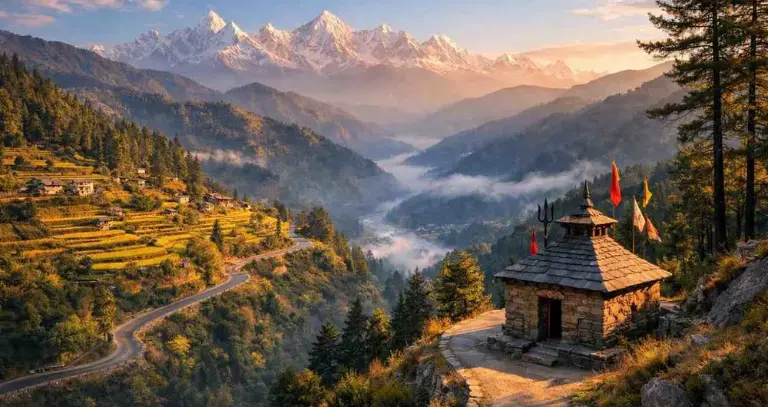
Before planning the Sainj Valley trek, you must know which season is ideal for you to go to such a high altitude. Here is a breakdown of months for you to compare:
- March to June: This is the spring season and is ideal to explore the vibrant green fields and blooming flowers in the Sainj Valley trek. The temperature during spring stays between 10°C to 25°C, making it perfect to plan your adventurous trek.
- July to August: These months are not recommended due to heavy rainfall in the region, which makes trails slippery and dangerous. You may not find medical help in case of an emergency, so it is best to avoid winter.
- September to November: This month is dedicated to the Autumn season, when the air stays crisp, a little cold, and the sun shines over the horizon, giving stunning views of sunsets and sunrises. Also, there are few tourists, which allows you to spend time in solitude.
- December to February: These months shelter the winter season. During this time, the mountains are capped with thick snow, and the landscape looks dreamy.
Conclusion
The journey to the Sainj Valley trek is one of those adventures that you will remember for the rest of your life. As it offers a unique way to experience the beauty of nature, you can immerse yourself in the authentic Himachali culture and traditions as well. Therefore, this guide will help you navigate your route of the Sainj Valley trek, key destinations you can explore during the trek, and the best time to plan this adventure, so you can secure a safe and convenient trip to the unseen gem of Himachal Pradesh.
Also Read – Mahunag Temple, Karsog: A Spiritual Journey in Mandi, Himachal Pradesh