Explore · Stay · Experience · Support Local India's #1 Platform for Himachal Pradesh


Lake Mansarovar is one of the world’s most divine and peaceful locations. For Hindus, Buddhists, Jains, and followers of the Bon religion, this sacred lake, which is situated close to Mount Kailash in a remote area of Tibet, has great spiritual significance. Here, one can experience the utmost natural beauty and spiritual peace, surrounded by snow-covered mountains and expansive landscapes. Pilgrims think that taking a bath in its pure waters brings inner peace and clears all sins. Although the trip to Mansarovar is difficult, it is incredibly fulfilling.
Every moment spent here feels divine, from the stunning views of Mount Kailash to the historic monasteries. This comprehensive guide will help you understand the significance of the lake, how to get there, the ideal time to visit, neighboring attractions, and crucial travel regulations. So, let’s have a complete overview of this divine place.
Table of Contents
About Lake Mansarovar
A freshwater lake called Lake Mansarovar is situated close to Mount Kailash in Tibet at an elevation of roughly 4,590 meters. It is regarded as the world’s tallest freshwater lake. Hinduism tells that Lord Brahma created the lake, which is connected to Lord Shiva. The surrounding mountain peaks are reflected by the shining blue water, which further creates a breathtaking sight. Around the lake, pilgrims engage in parikrama (circumambulation), rituals, and prayers. The lake is spiritually alive all year round, but it freezes in the winter. It is a once-in-a-lifetime location because of its serene atmosphere and divine energy.
Best Time to Visit Lake Mansarovar
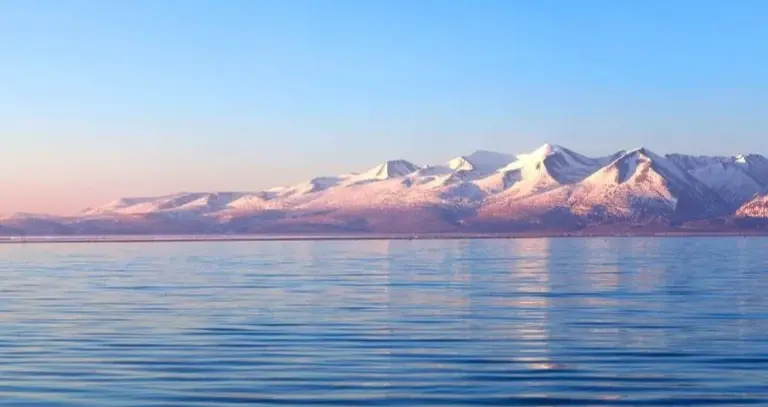
May to September are the best months to visit Lake Mansarovar. The roads are still open, and the weather is generally consistent during these months. The skies are frequently clear and provide stunning views of Mount Kailash, and the daytime temperatures are tolerable. Even though it occasionally rains in July and August, the scenery appears lively and fresh. However, travel to this lake is challenging during the extremely harsh winter months due to the freezing temperatures and heavy snowfall. Traveling during the suggested months offers a more comfortable pilgrimage experience and safer travel. Therefore, it is important to plan your trip in advance, as the weather can make or break the overall experience.
How to Reach Lake Mansarovar
Getting to Lake Mansarovar is not easy; it takes proper planning, obtaining permits, and traveling via officially sanctioned routes. Here are the main transport means highlighted:
- By Air: Airlines take travelers mainly to Kathmandu in Nepal or Lhasa in Tibet. The road trip takes off from there. Helicopter services from Kathmandu to the destination are sometimes available for travelers seeking a quick and non-stressful way to get there.
- By Road: The road trips to Mansarovar go through Tibet from Lhasa or via Nepal through the Hilsa border and are organized that way. The drive is an appeal for the eyes, but at the same time, it is extremely time-consuming.
- By Trek: Trekking is the most popular means for some pilgrims to reach the area, especially around Mount Kailash. The trek has physical challenges because of altitude, but for the spiritual pilgrim, it is a rewarding experience.
Monasteries Close to the Mansarovar
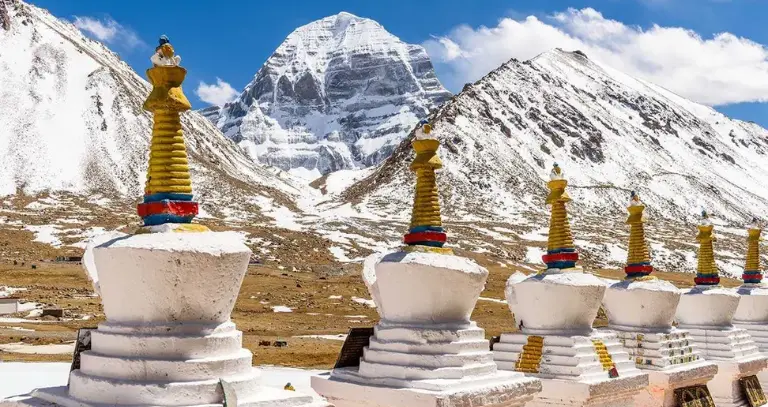
The presence of several old monasteries near Mansarovar Lake adds spiritual value to the trip and provides key spots for quiet prayer and meditation. If you want to experience the vibe of the monasteries, you can consider visiting the following spots:
- Chiu Monastery: Chiu Monastery is situated on a steep red hill by the edge of Lake Mansarovar. It can be seen from far-off mountains on clear days. The monastery is peaceful and a place of worship, and it is very spiritual too. You can surely visit here for a peaceful experience.
- Tholing Monastery: Being in the old Guge Kingdom region, Tholing Monastery is famous for its murals and Buddhist art. It was once an important education centre and is now a reflection of the rich culture of Western Tibet.
- Tsaparang Monastery: Tsaparang Monastery is built between breathtaking cliffs and caves. It was a part of the Guge Kingdom and is renowned for its ancient cave temples, wall paintings, and extraordinary mountain environment.
Places to Visit Near Mansarovar Lake
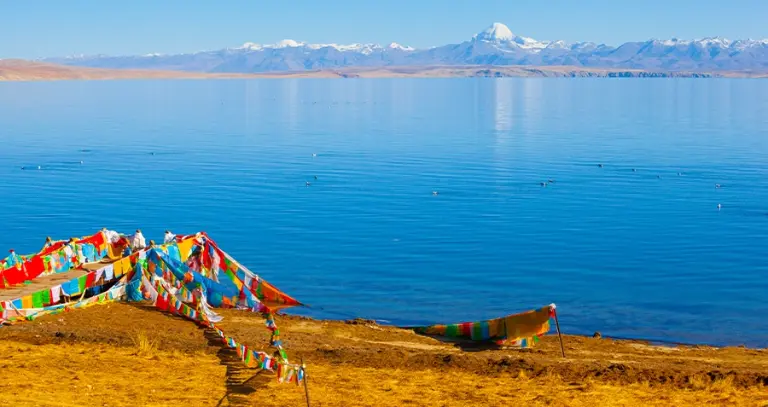
The area near Mansarovar comprises various sacred and historic sites that make your adventure rich in experience. Let’s take a closer look at some of the prominent destinations you can visit:
1. Mount Kailash
Mount Kailash, which is 30 km away from Lake Mansarovar, is a holy place for four religions: Hinduism, Buddhism, Jainism, and BON. The pilgrims take the Kailash Parikrama, but the sight of the mountain’s south face alone makes one feel the spiritual energy and wonder.
2. Chiu Monastery
Chiu monastery is not only a religious site but a very good viewpoint as well. Being in such a high location gives one the opportunity to have a panoramic view of Mansarovar Lake and the surrounding peaks, hence it is a very good place for meditation and photography.
3. Guge Kingdom
The Guge Kingdom gives a unique experience of being off the beaten track. The tourists can wander through ancient ruins, clay caves, monasteries, and surreal landscapes that seem like another planet. It shows the lost royal history of Tibet.
Festivals and Traditions in Mansarovar Lake
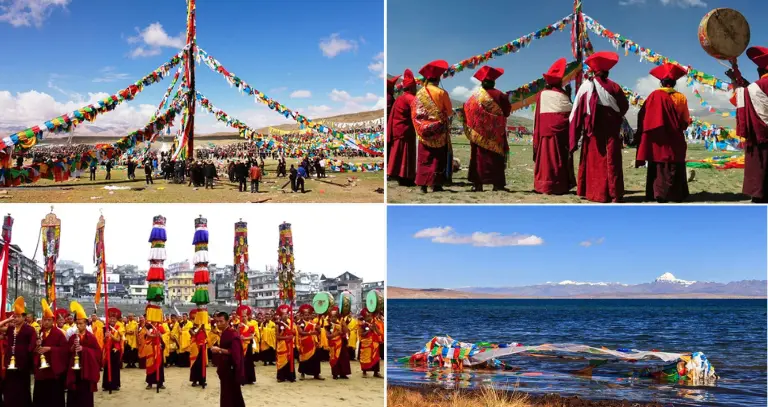
The link between Lake Mansarovar and spirituality, along with cultural practices, is very strong. Ritual bathing is done by the pilgrims. However, due to the severe cold, a lot of them just symbolically scatter water. The lake’s banks are very common for puja and the giving of flowers, incense, and lamps. Walking around the lake, which is called parikrama, is considered to be extremely purifying. Near the lake, Buddhist monasteries have their ceremonies, like chanting and masked dances during festivals. Tibetans’ cultural gatherings often consist of music, storytelling, and dance, which together form a beautiful mixture of devotion and tradition.
Permits and Regulations
Access to Mansarovar Lake is subject to strict regulations because of its very delicate situation in Tibet. The tourists are required to get both the Tibet Travel Permit and the Kailash-Mansarovar Permit, which can only be done through the authorized tour operators. Going alone is not permissible. The majority of travels are made in organized groups directed by a tour guide and supported by medical personnel. It is important to keep the environment clean, not to throw away rubbish, and to observe restrictions on the places. The travelers are also expected to observe the customs of the local people, wear simple clothes, and act politely at the sacred places.
Conclusion
Lake Mansarovar is the journey of the spirit that lasts forever. The lake, surrounded by holy mountains, old monasteries, and tranquil nature, provides a once-in-a-lifetime opportunity to break free from the hustle and bustle of the modern world and get in touch with the divine. Sometimes, the road to the lake takes a lot of time, effort, and permits, but it is still an unforgettable experience.
No matter what your purpose is, be it spiritual growth, natural beauty, or cultural discovery, Mansarovar Lake is the answer. A thorough travel plan that includes respect for the local customs and awareness of the travel regulations will lead to a safe and rewarding visit. Therefore, a journey to Lake Mansarovar will give rise to an unforgettable memory that remains with you forever.
Also Read – Komic Village Spiti: A Complete Travel Guide to the Highest Motorable Village