Explore · Stay · Experience · Support Local India's #1 Platform for Himachal Pradesh

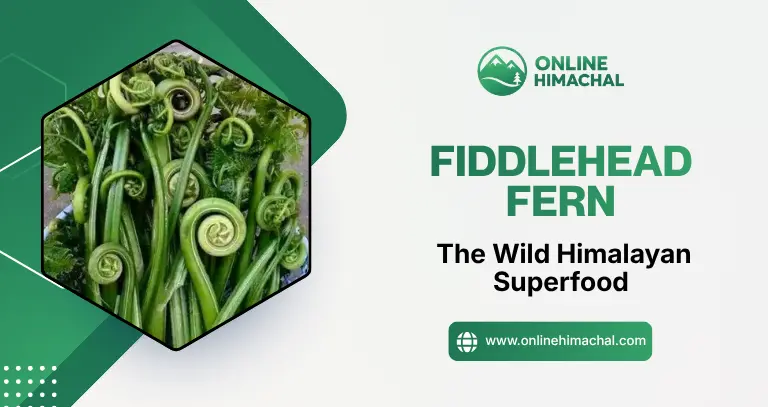
Fiddlehead fern (Diplazium esculentum) is a tightly coiled, wild edible spring and monsoon shoot. It grows in the Himalayan foothills of Himachal Pradesh, Uttarakhand, and Jammu & Kashmir. It is locally known as Lingdu, Lungdu, Lingad, and Kasrod. It is loved for its tender crunch, earthy flavor, and natural health benefits.
Have you ever visited the Himalayas during the rainy season? If you ever do, you will spot a unique curly green vegetable in the local markets. This special wild green is a fiddlehead fern and is locally known as Lungdu, Kasrod, or Lingdi across Himachal Pradesh. This wild plant grows naturally in the forest only for a short time every year. This superfood is loaded with vitamins, iron, and fiber. From simple sabzi to spicy pickles, you can enjoy it in many ways. Read this helpful guide to learn more about fiddlehead ferns, their health benefits, how to cook, and more.
Table of Contents
What Are Fiddlehead Ferns?
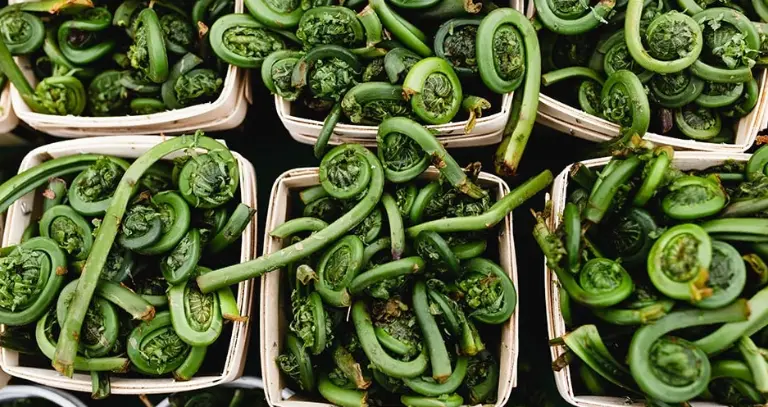
Fiddlehead ferns are tightly curled shoots of a wild fern plant that grows naturally in mountain forests. Before their leaves open up, they look like tiny green spirals and are harvested as a seasonal vegetable. They get this name because their curled top looks like the decorative wooden scroll found on the head of a violin or fiddle. These grow naturally across the Indian Himalayas. Locals in Himachal Pradesh call them Lingdi, Lungdu, and Kasrod.
Where Do Fiddlehead Ferns Grow and When Are They Harvested?
Fiddlehead ferns are found in Himalayan forests. No one farms or plants these in fields; they grow completely wild in damp, shady areas near rivers and forested slopes. This means they are 100% natural and free from harmful chemicals.
You can’t find these ferns all year round. They only sprout during the spring and early monsoon. So, they are a rare and special treat for food lovers. They must be cooked properly and can’t be consumed raw. Many people say their flavor is like a tasty mix of green beans, asparagus, and young spinach.
What Are the Key Nutrients in Fiddlehead Ferns?
Fiddlehead ferns are much more than a seasonal mountain treat. They are packed with vitamins and minerals. By adding this wild Himalayan superfood to your diet, you can give your body natural energy without adding extra fat or heavy calories.
- Rich in Vitamins A & C: A single serving provides a great dose of Vitamin A for clear vision and Vitamin C to keep your body strong. It protects you from seasonal colds and everyday infections naturally.
- High in Iron & Potassium: These contain good amounts of iron and potassium, which keep your heart strong and reduce daily tiredness.
- Plant-Based Omega-3 Fatty Acids: Fiddleheads are a rare plant source of healthy Omega-3 fats. They keep your brain sharp and lower bad cholesterol levels.
- Loaded with Dietary Fiber: They offer dietary fiber that keeps your stomach full for longer. This cleans your digestive system, helps you maintain a healthy weight, and reduces the risk of heart disease.
- Low in Calories & Fat: One cup of cooked fiddlehead ferns has fewer than 50 calories and almost zero fat or cholesterol.
What Are the Health Benefits of Fiddlehead Ferns?
These wild Himalayan greens grow naturally without any chemical sprays. They are known for their pure healing properties. Eating them during their short season offers the following unmatched health benefits:
- Builds Strong Immunity: The high levels of antioxidants, vitamin A, and C work together to protect your body cells from damage. They make your immune system stronger against common sicknesses and weather changes.
- Improves Gut Health: The natural fiber in fiddleheads prevents constipation and promotes smooth digestion. They feed good gut bacteria and help your body absorb nutrients much better.
- Support a Healthy Heart: They are naturally cholesterol-free, very low in sodium, and rich in potassium. So, eating fiddlehead ferns helps keep your blood pressure balanced and reduces long-term stress on your heart.
- Boosts Energy & Fights Fatigue: If you often feel weak or tired, the natural iron in these mountain greens helps your body make RBCs and carry oxygen smoothly. Iron, Copper, and Manganese in this superfood improve stamina and reduce fatigue.
- Helps with Weight Management: They are very low in calories, and their fiber content reduces unnecessary snacking. So, adding fiddleheads to your lunch or dinner stops unnecessary junk cravings and helps you maintain a healthy weight.
Are Fiddlehead Ferns Toxic If Eaten Raw?
While fiddlehead ferns are very healthy, they must never be eaten raw. They can be toxic if eaten raw or undercooked. Similar to wild mushrooms and certain beans, raw ferns carry natural compounds that your stomach can’t handle safely.
What Happens If You Eat Fiddlehead Ferns Raw?
Eating raw or undercooked fiddleheads can trigger food poisoning within a few hours.
- Symptoms: Nausea, vomiting, diarrhea, stomach cramps, and headaches.
- Duration: Most people recover within 24 hours to 3 days, though dehydration can be risky for children, other adults, or people with health conditions.
These symptoms are usually mild, but if you experience severe symptoms after eating fiddleheads, you must contact a doctor immediately.
How to Make Fiddlehead Ferns Safe to Eat?
Experts have found that raw ferns contain natural toxins and tiny forest germs. They completely break down and disappear once the vegetable is boiled thoroughly. Here is how you can make them safe to eat:
- Rub Off the Brown Skin: Before washing, gently rub the dry ferns with your hands or a clean cloth to remove the papery brown skin that covers the green curls.
- Wash Thoroughly in Clean Water: Then, you have to wash the cleaned shoots two or three times under fresh running water. After that, soak them briefly in a bowl of salted water to remove any hidden dirt.
- Boil Before Cooking: You have to boil the washed ferns for 15 minutes or steam for 10 to 12 minutes until tender. Throw away that water completely before frying and pickling them, as it may hold the toxin.
Where to Find Fiddlehead Ferns?
Fiddlehead ferns are found in the wild in damp, shaded areas near rivers and streams. You can also find them at farmers’ markets or specialty grocery stores during spring. You must look for fiddlehead ferns in:
- They grow in wet, muddy soil along the banks of creeks, rivers, and marshes where the ground stays consistently moist.
- You can spot them in clusters in damp areas under dense tree canopies that block harsh sunlight.
- In regions like Himachal Pradesh and Uttarakhand, freshly harvested Lungdu or Lingri are sold in local vegetable markets and by roadside vendors during spring and early monsoon seasons.
Note: Not all fern shoots are safe to eat; only specific varieties like Ostrich fern (Matteuccia struthiopteris) or the local Himalayan vegetable fern (Diplazium esculentum) are edible. Moreover, they must be thoroughly cooked before eating.
How to Cook Fiddlehead Fern: Traditional Himalayan Recipes
In Himachal Pradesh and Uttarakhand, people love many recipes of fiddlehead ferns. Once your ferns are cleaned and boiled, you can turn them into a tasty meal in minutes.
1. Authentic Pahadi Lingdu/ Kasrod Ki Sabzi
You need at least two cups of boiled fiddleheads, one chopped onion, one chopped tomato, garlic cloves, green chillies, mustard oil, turmeric, salt, a pinch of cumin seeds, and a pinch of amchoor powder for tangy flavor.
Heat mustard oil in a pan until it smokes lightly; add cumin seeds, chopped garlic, green chilies, and sliced onions. Then, you have to fry them until they turn golden brown. After that, add chopped tomatoes, turmeric, and salt to the pan and cook until soft.
Then, add boiled fiddleheads and stir-fry for 10 minutes on medium heat. When you turn off the stove, sprinkle a pinch of amchoor for a tangy taste. You can enjoy Lingdu ki Sabzi with rotis and parathas.
2. Other Ways Locals Enjoy Fiddleheads
- Many mountain families add chopped fiddleheads directly into slow-cooked lentils or yogurt-based curries to give everyday comfort food a healthy upgrade.
- Stir-fried lingri makes an amazing filling when mashed slightly and stuffed inside warm parathas. They are eaten hot with homemade white butter.
- If you want a quick side dish, simply sauté boiled fiddleheads in a spoonful of pure butter or desi ghee with crushed black pepper and garlic.
Traditional Kasrod/Lingdu Ka Achaar
Because heavy snow and cold weather make fresh vegetables hard to find for months, mountain families preserve these seasonal wild greens as a tangy pickle. Making kasrod or lungdu ka achaar is a cherished art passed down through generations in Jammu and Himachal. In Dogra and Pahari homes, grandmothers and mothers make this tangy pickle to turn a simple meal into a comforting food.
Step-by-Step Himalayan Fiddlehead Pickle Recipe
- Rub off the brown fuzz from the curled shoots, and wash them well in water. Then, you have to trim the hard bottom ends before chopping them into bite-sized pieces.
- Boil the pieces in the water with a pinch of salt and turmeric for 2 to 3 minutes, until slightly tender. Then drain well.
- After that, spread the boiled ferns on a clean cloth in the sun or under a fan for a few hours until every drop of water dries up.
- Then, you have to lightly roast mustard seeds, fennel seeds, and fenugreek seeds. Grind them into a coarse powder and mix with salt, turmeric, and red chili powder.
- Next, you have to heat pure mustard oil until it reaches its smoking point, then turn off the heat and let it cool down completely before mixing it with your spices and fenugreek.
- Coat the dry ferns with crushed black mustard seeds, red chili powder, salt, cooled oil, and turmeric. Then, leave the jar in sunlight for 7 to 14 days, shaking it daily, until the spices ferment and turn tangy.
Storage Tips for Lungdu/Fiddlehead Fern Achaar
- Always store your pickle in clean and completely dry glass jars rather than plastic containers, as glass keeps the natural flavors fresh and prevents chemical reactions.
- Even a single drop of water can spoil an entire jar of pickle. So, always use a dry spoon when serving.
- Once the achar is ready, keep the jar in a cool kitchen cupboard away from heat, stove steam, and direct light.
- Always make sure a layer of mustard oil floats at least half an inch above the lungdu pieces to block air and prevent fungus.
Don’t Miss This Mountain Delicacy
Whether you make a spicy tangy pickle or a comforting lingri sabzi, Lingri’s unique flavor is worth trying. Make sure you cook them well before eating to enjoy all their health benefits safely. Next time you visit Himachal, Uttarakhand, or Jammu during spring or monsoon, pick a bunch of these wild green curls or lungdu achaar to taste the magic of the mountains.
Frequently Asked Questions (FAQs)
1. What is the local name of fiddlehead fern in Himachal Pradesh?
It is commonly known as Lingdu, Lungdu, or Lingdi in Himachal Pradesh. In other Himalayan regions in India, it is known as Kasrod.
2. Where do fiddlehead ferns grow in India?
They grow naturally in damp, shaded areas of Himalayan forests, especially in Himachal Pradesh, Uttarakhand, and Jammu and Kashmir.
3. When is fiddlehead fern available in Himachal Pradesh?
This seasonal vegetable usually grows during spring and the early monsoon. But its availability depends on local weather conditions.
4. Can fiddlehead ferns be eaten raw?
You must never eat them raw or when they are undercooked. They must be cleaned and thoroughly boiled or steamed before cooking.
5. How do you cook fiddlehead ferns?
First, clean and boil the shoots thoroughly. You can make Lingdu ki sabzi, mix them with curry, and prepare Kasrod or Lingdu ka achaar to preserve them for later use.
Also Read : Black Turmeric (Kali Haldi): Benefits, Uses & How to Consume